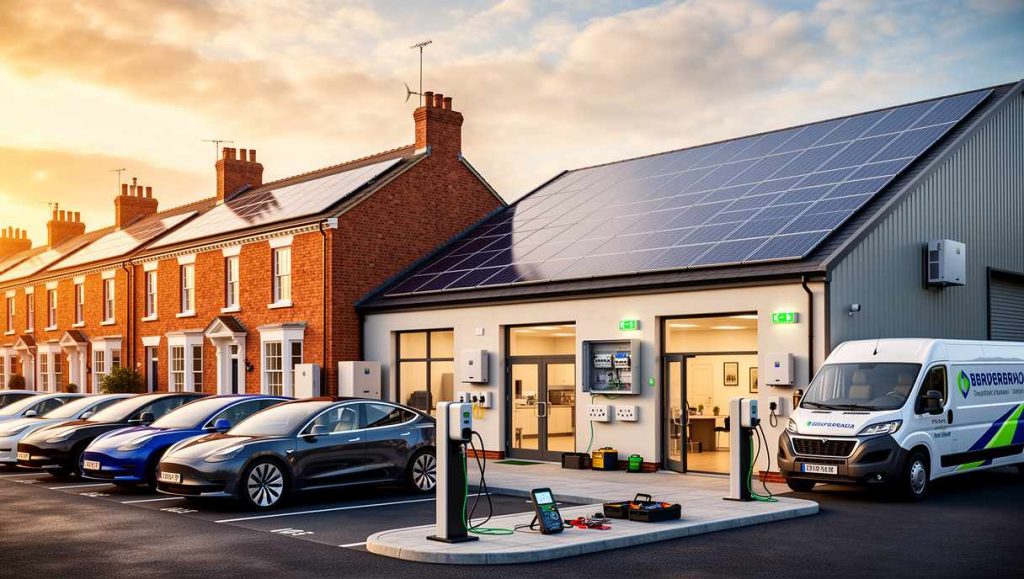
Across Bedford and the surrounding Bedfordshire towns, homeowners and businesses are turning to solar panels to take control of energy costs, reduce carbon emissions, and add long-term value to their properties. With reliable modern hardware, smart monitoring, and optional battery storage, today’s systems are quieter, tougher, and more efficient than ever. Whether you manage a busy café near the riverside, own a semi in Putnoe, or run a warehouse in Kempston, well-designed solar can turn your roof into a mini power station that pays back every sunny day—and many cloudy ones too. The key to success is careful design, neat installation, and ongoing maintenance that keeps your PV performing year after year in Bedford’s real-world conditions.
How Solar Panels Perform in Bedford and What You Can Expect Year-Round
Bedfordshire’s climate is a great match for solar PV. Even with changeable skies, modern panels harvest both direct sunlight and diffuse light, producing steady output from spring through autumn and a useful contribution in winter. South-facing roofs typically generate the most electricity, but east–west arrays often suit Bedford’s mix of terraces and semis, spreading energy through the morning and late afternoon to better match household routines and business hours.
System performance starts with site specifics. Roof pitch around 30–40 degrees is common locally, and both slate and clay tiles can accommodate tested mounting systems that maintain weatherproofing. Chimneys, dormers, or mature trees can cast shade at certain times; in those cases, optimisers or microinverters help each panel work independently so one shaded module doesn’t hold the rest back. For flat roofs on Bedford offices or schools, low-profile frames set panels at the right angle while respecting wind loads and planning guidelines.
Behind the scenes, your inverter converts DC to usable AC power and pairs with a monitoring app so you can see live generation, spot trends, and catch issues early. Many Bedford households increase self-consumption with battery storage that captures daytime surplus for evening use—ideal for running appliances after work or covering overnight baseloads like routers, fridges, and security systems. If you have an EV, coordinating charging with solar output or off-peak tariffs can make a powerful combination that slashes transport costs, too.
Exporting excess energy is straightforward through the Smart Export Guarantee (SEG). With a smart meter and the right tariff, you’re paid for electricity you share back to the grid—handy on bright weekends or quieter business days. Maintenance is light: keep panels reasonably clear of debris, check for shading changes across seasons, and schedule periodic electrical testing to ensure continued system safety and peak performance. If you’re comparing options for Solar Panels in Bedford, look for a local team that understands both PV design and the realities of Bedford’s housing stock, weather, and grid connection rules.
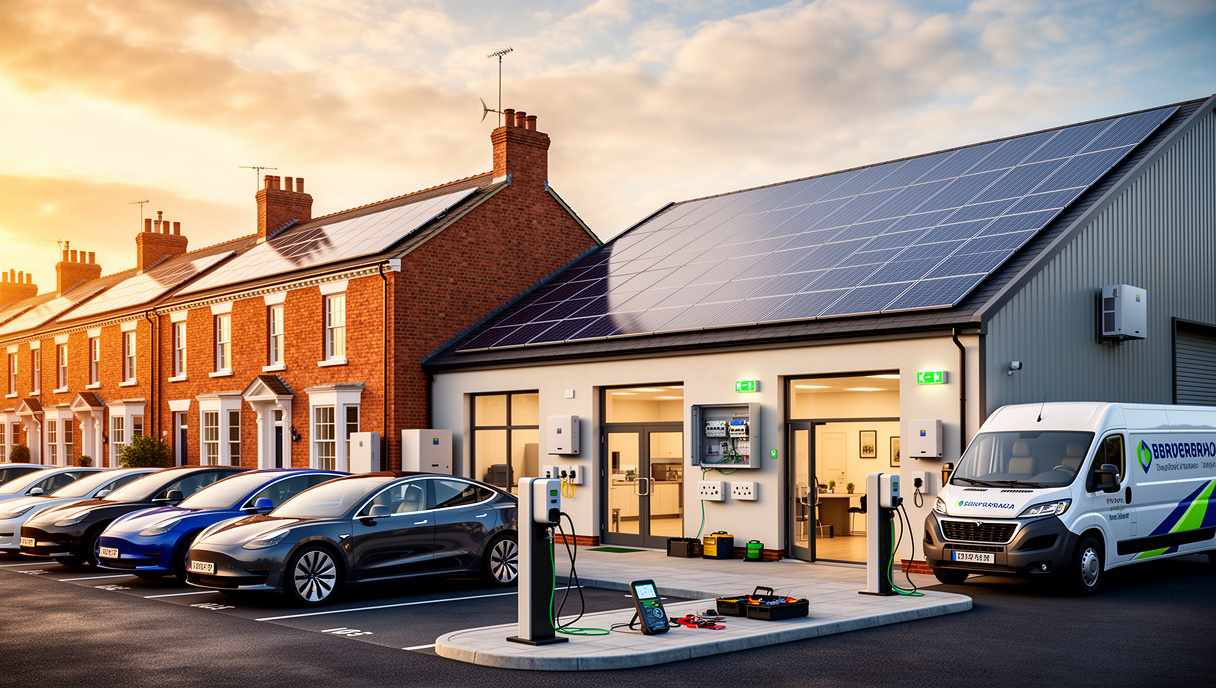
Design, Installation, and Compliance: Getting Your Bedford Solar Project Right
A smooth solar journey starts with a thorough on-site survey. A competent Bedford installer will assess roof orientation, pitch, structure, and covering; measure available area; review cable routes; and confirm your electrical setup at the consumer unit. From there, they’ll specify panels, inverters (string, hybrid, or microinverters), mounting systems, and optional battery storage sized to your usage profile. The goal is a balanced system that fits your roof, budget, and energy habits—without overpromising output or undersizing key components.
Electrical integration matters. Many modern systems include surge protection and RCD protection in line with the latest wiring standards, and some homes benefit from a consumer unit upgrade during installation. Where batteries are included, a hybrid inverter can manage both PV and storage in one tidy package. If backup power is a priority for your Bedford property, discuss a dedicated emergency power supply (EPS) circuit—this requires specific hardware and safe changeover arrangements to protect grid engineers during outages.
Grid compliance is essential. Systems under certain sizes often fall under streamlined notification rules, while larger arrays or three-phase commercial projects may require pre-approval from the Distribution Network Operator (DNO). A capable local contractor will handle applications, protection settings, and all required documentation, reducing delays and ensuring your system can export safely. For businesses, coordination with existing electrical infrastructure—three-phase distribution boards, emergency lighting, and ongoing testing—keeps everything compliant and futureproof.
Quality installation shows in the details: carefully flashed roof penetrations to keep your Bedford home dry; tidy cable runs with clear labelling; neatly mounted isolators; secure fixings tested to local wind and snow loads; and a clean handover with manuals, warranties, and monitoring access configured on day one. After commissioning, a proactive maintenance plan helps preserve output: visual checks after storms, periodic electrical testing, inverter health checks, and performance reviews that compare actual yields against expected generation. With this lifecycle approach—design, installation, testing, and maintenance—you get the most from your investment year after year.
Costs, Savings, Batteries, and Real-World Examples Across Bedford
Solar budgets in Bedford vary with system size (kWp), panel efficiency, roof type and access (such as scaffolding complexity), inverter choice, and whether you add battery storage or EV charging integration. Rather than fixating on capacity alone, consider the self-consumption strategy: a well-matched array plus a modest battery can often deliver better bill reductions than a larger array that exports most of its energy. Many households achieve substantial cuts in grid imports, while businesses that use power during daylight can offset a significant share of daytime load. Depending on usage patterns and tariffs, payback is typically measured in single-digit years for well-designed systems, with ongoing returns that outlast the inverter replacement cycle.
Batteries unlock extra value by shifting solar energy into the evening and early morning. In winter, some Bedford homes top up batteries on cost-effective overnight tariffs, then let PV handle daytime use when the sun appears. If backup is desired, ask about EPS-ready hardware and a critical-loads circuit; not all batteries provide backup by default, and proper design is essential. For commercial sites, adding storage can help shave peaks and support resilience during brief interruptions, especially when paired with LED lighting and general electrical efficiency upgrades.
Real-world examples from around Bedford illustrate the possibilities:
• A family in Putnoe installed a 3.6 kWp east–west array with a 5 kWh battery. By spreading generation across the day and storing surplus, they reduced annual grid import by roughly half. With smart scheduling, the battery prioritised evening cooking and laundry, while weekend sunshine covered most daytime usage. Their EV charging routine now blends rooftop energy and occasional off-peak top-ups in winter.
• A café near Bedford town centre opted for a 6 kWp south-facing system using microinverters to handle chimney shade. Daytime loads—fridges, display units, coffee machines—lined up perfectly with midday generation, cutting bills while improving the site’s energy rating. On quieter days, surplus flowed to the grid under SEG payments.
• A light industrial unit in Kempston deployed a 30 kWp three-phase array. Coupled with an LED lighting upgrade and a tidy electrical board refresh, the system trimmed peak demand and stabilised daytime costs. Remote monitoring alerted the team to a minor inverter fault, which was resolved quickly, keeping uptime and yield on track.
Local planning is usually straightforward. Most domestic PV is permitted development when panels follow roof lines and meet height rules—though listed buildings, conservation areas, and some flat-roof designs may require permission. As for upkeep, Bedford’s weather means occasional checks for debris, bird nesting, or slipped tiles are wise; a scheduled annual electrical inspection keeps safety measures current and documentation ready for insurers, buyers, or auditors. With well-chosen hardware, tidy integration, and ongoing support from a qualified Bedford-based electrical team, solar panels can deliver dependable savings, improved resilience, and a measurable step toward a lower-carbon future for your home or business.

Lyon pastry chemist living among the Maasai in Arusha. Amélie unpacks sourdough microbiomes, savanna conservation drones, and digital-nomad tax hacks. She bakes croissants in solar ovens and teaches French via pastry metaphors.