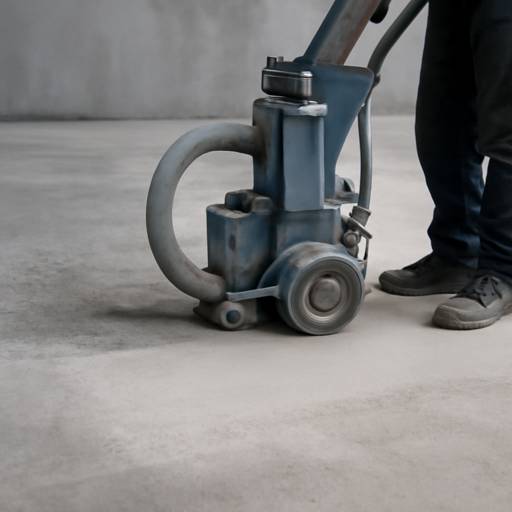
Floor shot blasting has become the go-to method for preparing concrete in and around Bristol because it combines speed, dust control, and consistently excellent bonding results. From bustling Avonmouth logistics hubs to busy city-centre car parks, facilities need floors that perform under pressure. Shot blasting delivers a uniform mechanical profile so new epoxy, polyurethane screeds, MMA resins, or self-levelling compounds adhere securely and last longer—without the mess and downtime associated with traditional methods.
Bristol’s industrial mix—manufacturing in Filton and Patchway, food and beverage in South Bristol, retail and hospitality across the centre—demands preparation techniques that are efficient, clean, and reliable. Captive shot blasting answers that need by propelling steel abrasive at the slab and reclaiming the dust immediately, creating a textured, contaminant-free surface ready for high-performance finishes.
Why Floor Shot Blasting Is the Smart Choice for Bristol Facilities
At its core, floor shot blasting is a closed-circuit process that fires small steel shot at the concrete surface, fracturing weak laitance and removing contaminants while simultaneously vacuuming up dust and spent media. This leaves behind a fresh, evenly profiled concrete surface—often described by a Concrete Surface Profile (CSP) rating—that provides an ideal mechanical key for resin coatings, screeds, and overlays. The result is predictable adhesion and improved coating longevity, which translates to lower lifecycle costs for Bristol sites with high footfall or heavy plant traffic.
Compared with grinding or scabbling, shot blasting excels in productivity and cleanliness. The captive system keeps airborne dust minimal and contained, helping projects meet HSE expectations and reducing disruption to adjacent operations. Importantly for occupied buildings—from distribution centres near the M5 to public-sector estates in the city—this means faster handovers and less risk of dust migration. It is also a highly efficient way to remove curing agents, laitance, light sealers, and old line markings, getting slabs back to a clean, consistent state before new finishes are installed.
Another strength is control. By adjusting machine settings and abrasive size, teams can match the required CSP profile for different finishes: a light texture to receive a thin-film epoxy coating, or a deeper profile to anchor heavy-duty polyurethane screeds in wet-process zones. Shot blasting also reveals hidden imperfections—such as soft spots, microcracking, and oil contamination—that can be dealt with before installation, preventing premature coating failure. This precision pays dividends on Bristol’s diverse building stock, where concrete quality and age vary widely from newer industrial parks to heritage refurbishments.
Environmental and safety benefits add to the appeal. Captive blasting limits silica dust exposure, reduces the need for chemical strippers, and cuts waste through media recycling. For facilities under tight ESG targets or strict hygiene protocols, the combination of low dust, minimal solvent use, and rapid turnaround is compelling. When speed, cleanliness, and adhesion matter, floor shot blasting in Bristol is increasingly the first specification choice.
Local Use Cases: From Avonmouth Warehouses to City-Centre Car Parks
Bristol’s economy leans on logistics, advanced engineering, healthcare, education, and hospitality—and each sector benefits from the performance uplift provided by shot blasting. In high-throughput warehouses around Avonmouth, it’s used to strip laitance and refresh tired slabs prior to durable epoxy coatings and safety demarcations. The textured surface ensures paint lines and resin systems bond effectively despite forklift traffic, pallet racking movements, and seasonal temperature swings.
Food and beverage processors in South Bristol need hygienic, chemically resistant floors that can be cleaned aggressively. Shot blasting creates a deeper profile for heavy-duty polyurethane screeds, enhancing resistance to hot water, fats, and acids. In front-of-house environments—restaurants, microbreweries, and retail units—precise blasting can be tuned to prepare only the areas planned for thin-film resin or polished concrete densifiers, aiding swift fit-outs without overscoping the project.
Multi-storey car parks and transport hubs near Temple Meads and the city centre often require concrete preparation for anti-slip coatings, waterproofing membranes, and re-marking of bays. Captive blasting excels at removing dirt-impregnated layers and traffic film while leaving an even profile for deck membranes to lock into. For schools, universities, and healthcare estates spread across the city, the process reduces downtime: term-time projects can be scheduled for evenings or weekends, achieving large areas per shift with minimal mess and quick clean-up.
Real-world scenarios underline the versatility. A manufacturer in Filton facing recurring resin delamination resolved it by specifying a CSP-3/4 shot blast rather than a light grind, eliminating bond failures under heavy machinery. A retailer on Gloucester Road met tight handover dates by using shot blasting to remove old adhesive residues rapidly, allowing a new self-levelling compound and decorative resin to be installed on schedule. Facilities managers researching options can explore Floor shot blasting bristol to understand how the technique integrates with coatings and screeds tailored to Bristol’s varied building types.
How to Plan, Specify, and Execute a Shot Blasting Project in Bristol
Effective planning starts with an on-site survey and testing. Moisture checks (in-situ RH), adhesion pull-off tests on existing coatings, and contamination assessments (particularly for oils in workshop floors) guide the preparation approach. Where oil ingress is present, degreasing and, if necessary, poultice extraction or crack injection are performed before blasting. Joints, cracks, and surface defects are identified early so that repairs can be sequenced in line with the final finish—epoxy mortars or fast-cure polyurethane repair compounds are commonly used.
Specification revolves around the required surface profile and the intended finish. For thin-film epoxies, a lighter CSP (often CSP-2/3) is typical, achieved with finer shot settings and precise machine travel. Heavy-duty screeds or high-build coatings often demand a CSP-3/5 to anchor thicker, more resilient systems. Access constraints and edge work are mapped out: narrow corridors, plant bases, dock levellers, and wall perimeters are addressed with smaller captive units or complementary edge grinders. This ensures consistent preparation right up to details that often dictate the longevity of a system.
Power and logistics are essential considerations in Bristol’s busy estates. Captive shot blasters and their high-efficiency dust collectors usually require three-phase power (commonly 32A or 63A at 400V). If site power is limited, generators are planned with suitable cable runs and safe routing. Productivity rates vary with machine width, substrate hardness, and profile depth, but larger, well-prepared spaces can see 150–500 m² per hour. For live environments—food production, healthcare, or education—works can be phased in zones, with dust-tight segregation, agreed noise windows, and thorough end-of-shift cleans to keep operations running smoothly.
Quality assurance ties the preparation to the final result. Teams verify the achieved profile using tactile comparators or digital methods, check dust levels before coating (the surface should be clean, dry, and free of visible debris), and record substrate temperatures and humidity to ensure conditions are within the coating manufacturer’s guidelines. Coordination between preparation and installation is critical: a blasting finish that sits uncovered too long can re-contaminate. Ideally, primers follow promptly, locking the mechanical key created by blasting. When combined with compatible epoxy systems, polyurethane screeds, or MMA technologies, the outcome is a robust, long-lasting floor built to handle Bristol’s demanding usage patterns.
Whether the brief is to remove laitance after a new pour, strip failing coatings in a warehouse, or achieve a profile for a car park deck membrane, captive floor shot blasting offers a repeatable, dust-controlled solution. By aligning survey insights, CSP targets, power and access planning, and swift follow-on installation, Bristol projects benefit from faster delivery, stronger bonds, and finishes that stand up to the city’s varied industrial and commercial workloads.

Lyon pastry chemist living among the Maasai in Arusha. Amélie unpacks sourdough microbiomes, savanna conservation drones, and digital-nomad tax hacks. She bakes croissants in solar ovens and teaches French via pastry metaphors.